

Joint Swelling: Causes, Symptoms, and Advanced Treatment Options

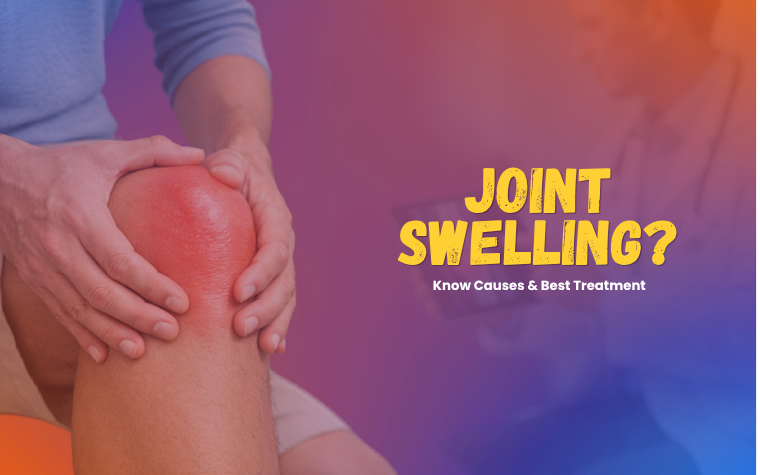
Joint swelling is a common condition that can affect people of all ages. It often indicates inflammation within the joint and may be associated with pain, stiffness, and reduced mobility. Understanding the underlying causes and seeking timely treatment can help prevent long-term complications.
What is Joint Swelling?
Joint swelling occurs when excess fluid accumulates in or around a joint. It may affect commonly used joints such as the knees, ankles, wrists, or fingers. Swelling can be sudden (acute) or develop gradually over time (chronic).
Common Causes of Joint Swelling
Joint swelling can result from a wide range of conditions, including:
1. Arthritis
- Osteoarthritis (wear and tear of joints)
- Rheumatoid arthritis (autoimmune condition)
2. Injuries
- Ligament tears
- Sprains and strains
- Fractures
3. Infections
- Septic arthritis (joint infection)
- Viral or bacterial infections
4. Gout
- Caused by uric acid crystal buildup in joints
5. Bursitis
- Inflammation of fluid-filled sacs (bursae) around joints
Symptoms to Watch For
Joint swelling is often accompanied by:
- Pain or tenderness
- Warmth around the joint
- Redness
- Stiffness and limited movement
- Difficulty in daily activities
If symptoms persist or worsen, medical attention is essential.
When Should You See a Doctor?
Consult a specialist at MGM Medical Centre if you experience:
- Severe or sudden swelling
- Fever along with joint pain
- Inability to move the joint
- Swelling lasting more than a few days
Early diagnosis can prevent complications and improve recovery outcomes
Diagnosis of Joint Swelling
At MGM Medical Centre, advanced diagnostic methods include:
- Physical examination
- X-rays and MRI scans
- Blood tests to detect inflammation or infection
- Joint fluid analysis
Conclusion
Joint swelling should never be ignored, as it may be a sign of an underlying medical condition. With the right care and timely treatment, you can prevent complications and maintain healthy joints.