

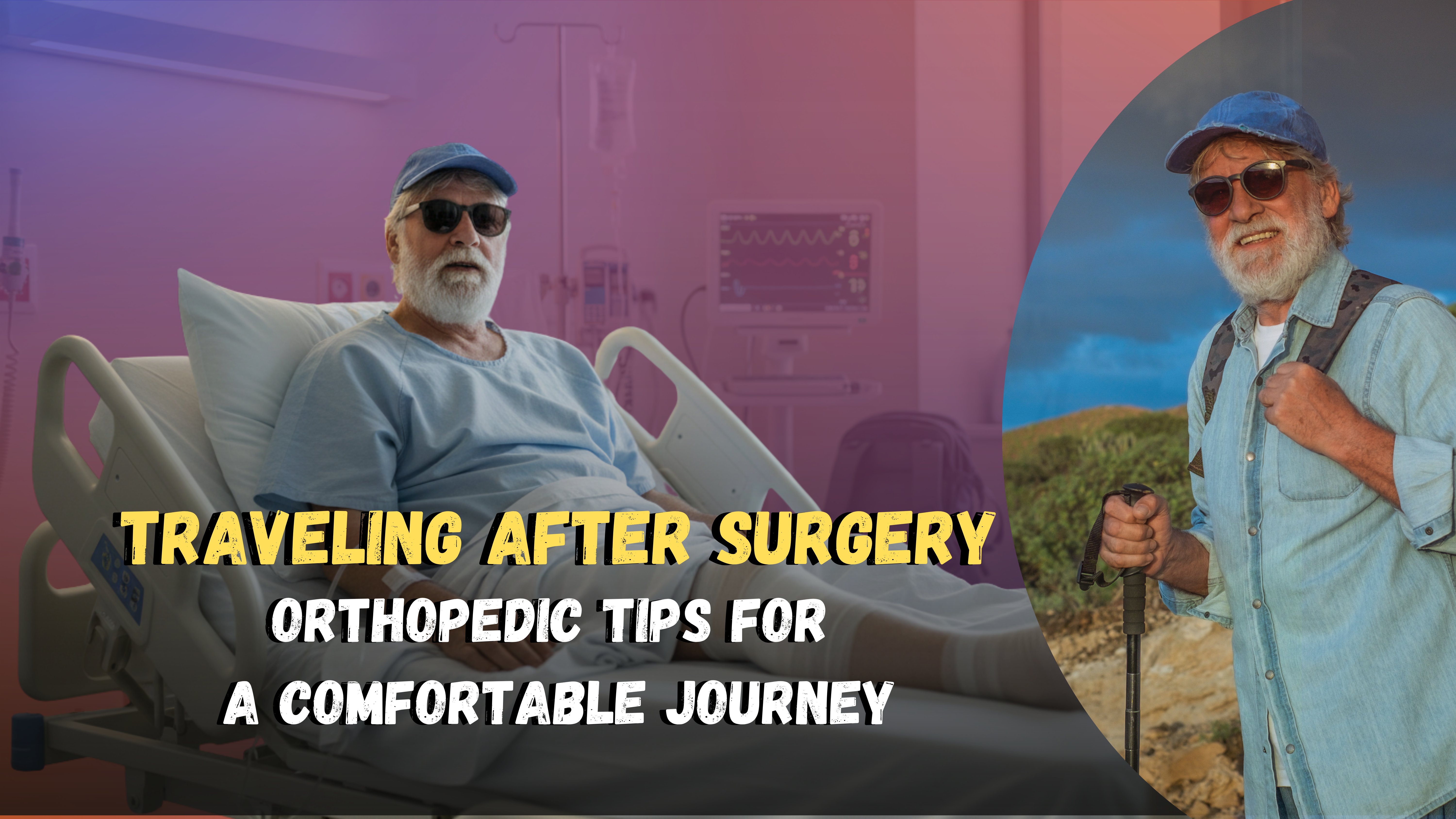
Traveling After Surgery: Orthopedic Tips for a Comfortable Journey

Traveling after surgery can feel stressful, especially when you are still recovering from pain, stiffness, or limited mobility. Whether it’s a short road trip, a long journey by train, or an international flight, proper planning helps you move safely and comfortably. Many patients ask how soon they can travel, what precautions to take, and how to prevent complications like swelling, stiffness, or blood clots. In this blog, we share essential Orthopedic tips to help you travel smoothly after your surgery, along with expert guidance from leading specialists at any trusted orthopedic hospital.
Why Travel Planning Matters After Orthopedic Surgery
After any orthopedic surgery—whether it is knee replacement, hip replacement, spine surgery, or fracture fixation—your body needs time to heal. Traveling too soon without proper precautions may lead to:
- Increased swelling
- Joint stiffness
- Pain flare-ups
- Risk of Deep Vein Thrombosis (DVT)
- Delayed recovery
This is why surgeons from every reputed orthopedic hospital emphasize structured travel planning and early guidance for post-operative patients.
1. Get Medical Clearance Before Traveling
Before making any travel plan, consult your orthopedic doctor to check if you are fit for the journey. Healing varies from person to person, and factors like age, medical conditions, and type of surgery influence your readiness to travel.
You should discuss:
- When you are allowed to travel
- Whether you need any assistive devices
- What type of seating is best for you
- Safe duration of sitting or standing
- Medicines needed during travel
The right guidance from your orthopedic hospital will ensure that your trip is not only comfortable but also medically safe.
2. Choose the Right Mode of Travel
Different modes of transportation offer different levels of comfort and mobility.
Air Travel
Flying can sometimes increase swelling due to cabin pressure. If you have had joint or spine surgery, you should:
- Request aisle seats
- Walk every 30–45 minutes
- Wear compression stockings
- Keep your leg elevated whenever possible
Road Trips
- Take breaks every hour
- Stretch gently during stops
- Avoid cramped seating positions
Train Travel
Trains usually offer more legroom, making them comfortable for post-operative patients. Choose seats close to restrooms and doors for easy access.
3. Use Pain Management Smartly
Pain control is extremely important during travel. Your doctor may prescribe pain medications, muscle relaxants, or anti-inflammatory tablets. Carry enough medicines for the entire trip and pack them in your hand luggage.
Other helpful strategies:
- Apply cold packs or heat packs if recommended
- Do simple ankle pumps and leg stretches
- Keep a small pillow for support
Pain management should be personalized by your surgeon at your chosen orthopedic hospital, ensuring safety throughout the journey.
4. Stay Active to Prevent Stiffness & Blood Clots
Long hours of sitting can be harmful after orthopedic surgery. Movement helps improve blood circulation and prevents deep vein thrombosis (DVT).
Here are some quick Orthopedic tips to stay active during travel:
- Do ankle circles and calf stretches
- Stand and walk at regular intervals
- Wiggle your toes and move your feet frequently
- Don’t sit in the same position for too long
Even small movements help you stay flexible and pain-free throughout your trip.
5. Pack Smart: What to Carry After Surgery
A well-prepared travel bag ensures a smooth experience. Always include:
- Prescribed medications
- Doctor’s note for airport security (if you have implants)
- Extra wound dressings
- Compression stockings
- Lightweight water bottle
- A small portable cushion
- Any assistive device like a walker, cane, or brace
These items are standard recommendations from any experienced orthopedic hospital, ensuring you travel with confidence.
6. Protect Your Surgical Site During Travel
Your surgical site needs extra care to avoid infection or injury. Follow these precautions:
- Avoid dirty or crowded environments
- Keep dressings clean and dry
- Do not lift heavy luggage
- Avoid twisting, bending, or sudden jerks
- Use a trolley bag to reduce strain
If traveling soon after surgery, keep your incision covered even while resting.
7. Stay Hydrated and Eat Light
Proper hydration reduces swelling, improves blood flow, and assists in healing. Avoid salty foods, heavy meals, and carbonated drinks, which may cause bloating or discomfort during travel.
Choose:
- Water
- Fruits
- Light meals
- Snacks like nuts or crackers
Nutrition plays a vital role in recovery, and most surgeons in top orthopedic hospital settings recommend mindful eating during long trips.
8. Follow Your Home Exercise Routine
Your physiotherapy routine should not stop while traveling. Simple exercises prevent:
- Muscle stiffness
- Pain
- Slow healing
Continue:
- Knee bends
- Ankle pumps
- Gentle spine stretches
- Breathing exercises
These Orthopedic tips ensure your recovery stays on track even during travel.
9. Listen to Your Body During the Journey
If you feel pain, swelling, numbness, or discomfort at any point, stop and rest. Your body gives signals when something is not right. Ignoring them can slow down recovery or cause complications.
Always remember: comfort and safety come before travel plans.
10. When to Avoid Traveling Completely
Avoid travel if you experience:
- Increased swelling
- Fever
- Severe pain
- Unhealed wounds
- Doctor’s restrictions
- Recent blood clots
Your orthopedic hospital team will advise when it is safe and when you should strictly postpone travel.
Final Thoughts
Traveling after surgery is possible and safe if done properly. With proper planning, medical guidance, and the above Orthopedic tips, you can enjoy your journey without stress. Always be prepared, stay active, protect your surgical site, and follow your doctor’s advice closely.
For personalized guidance, visit a trusted orthopedic hospital where experts can help you plan your travel safely, taking into account your condition, surgery type, and healing progress.
Safe travels and speedy recovery!