


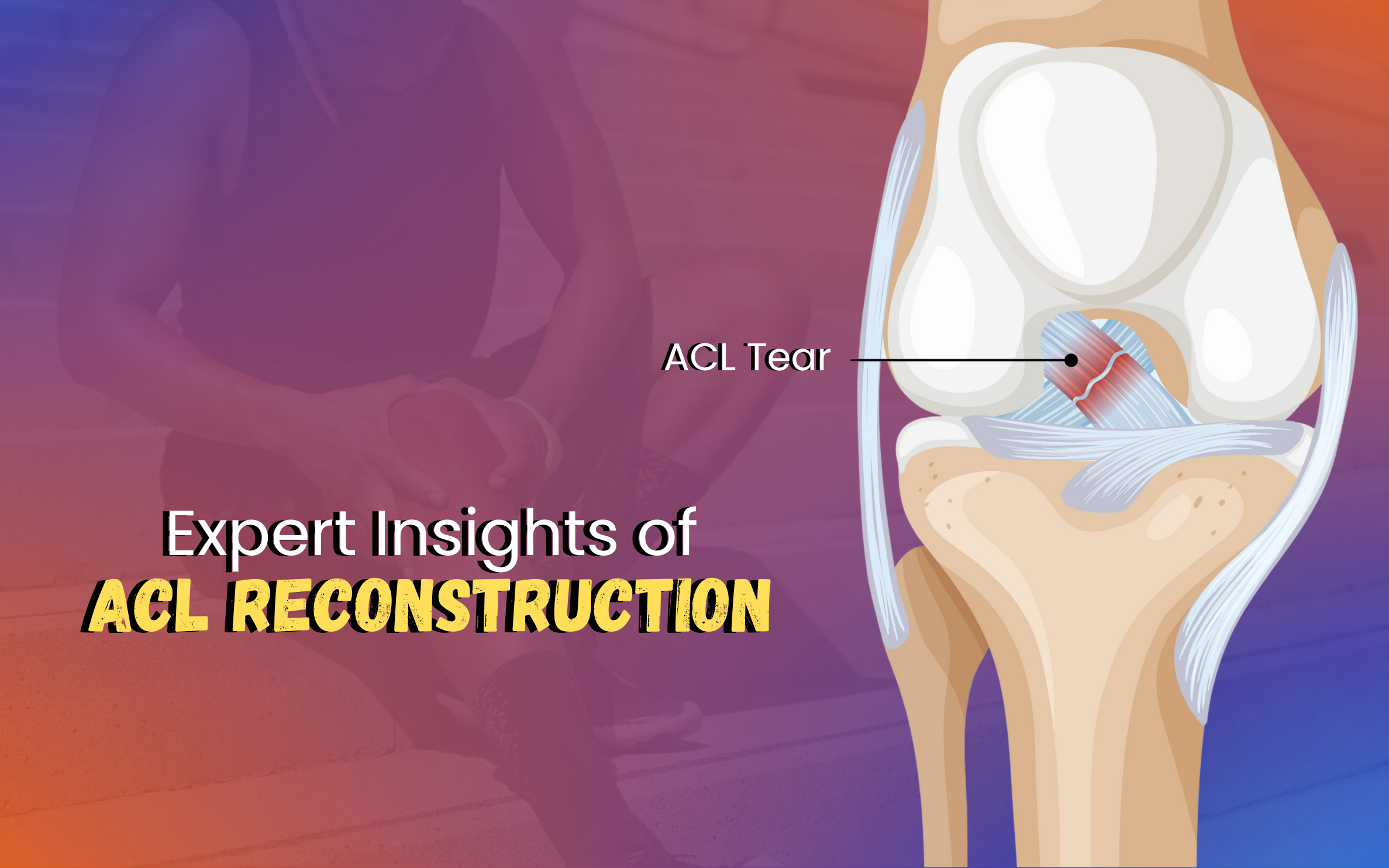
ACL Reconstruction: Expert Insights for Patients and Athletes

A serious knee injury can disrupt daily life, sports, and long-term mobility.
ACL Reconstruction is a well-established surgical solution that helps restore knee stability and function after a ligament tear.
This guide is designed to be informative, easy to read, and helpful for patients who want to understand the journey from injury to recovery with confidence.
Understanding the ACL and Common Knee Injuries
The anterior cruciate ligament (ACL) plays a vital role in keeping the knee stable during walking, running, and sudden changes in direction.
ACL tears often occur due to sports injuries, sudden twisting movements, or accidents. Symptoms may include swelling, pain, a feeling of the knee “giving way,”
and reduced range of motion.
Early evaluation by an experienced orthopedic doctor is critical to determine the severity of the injury.
Accurate diagnosis often involves physical examination and imaging tests.
Seeking care at a specialized orthopedic hospital ensures access to advanced diagnostic tools and a complete treatment approach under one roof.
What Happens During the Surgical Procedure?
ACL Reconstruction is a procedure in which the damaged ligament is replaced with a healthy graft, usually taken from the patient’s own tendon or a donor source.
The aim is to restore the knee’s natural stability and allow patients to return to normal activities safely.
The surgery is commonly performed using minimally invasive arthroscopic techniques.
This method uses small incisions, resulting in less pain, minimal scarring, and faster recovery when compared to traditional open surgery.
Careful planning and precision are essential for long-term success.
Who Typically Needs Surgery?
Not every ACL injury requires surgery. Some individuals with low activity levels may manage well with physiotherapy and lifestyle adjustments. However, people who experience ongoing instability, wish to return to sports, or have physically demanding jobs often benefit from surgical treatment.
A qualified orthopedic doctor evaluates factors such as age, activity level, and knee stability before recommending surgery. Clear communication and personalized advice help patients make informed decisions about their care.
Inside the Operating Room: A Simple Overview
On the day of surgery, patients are admitted to an orthopedic hospital where a trained surgical team prepares them for the procedure. Anesthesia is administered, and small instruments are used to access the knee joint with precision.
The torn ligament is removed, and the graft is securely positioned to mimic the natural ACL. The controlled environment and advanced equipment available in an orthopedic hospital play a major role in ensuring safety and accuracy during surgery.
Recovery and Rehabilitation Explained
Recovery after ACL Reconstruction is a step-by-step process that requires patience and consistency. Physical therapy usually begins shortly after surgery, focusing first on reducing swelling and restoring movement.
As healing progresses, strength training, balance exercises, and sport-specific drills are introduced. Rehabilitation programs supervised within an orthopedic hospital environment often lead to better outcomes due to coordinated care and close monitoring.
Benefits and Long-Term Outcomes
When performed correctly, this surgery offers excellent long-term results.
Patients often regain knee stability, confidence in movement, and the ability to return to sports or active lifestyles. Advances in surgical techniques and rehabilitation have significantly improved success rates over the years.
Guidance from an experienced orthopedic doctor during follow-up visits ensures progress is on track and helps address any concerns early.
Risks and Important Considerations
Like all surgical procedures, there are potential risks, including stiffness, infection, or re-injury. These risks are minimized when surgery is performed in a well-equipped orthopedic hospital that follows strict safety protocols and evidence-based practices.
Patients who actively participate in rehabilitation and follow medical advice typically experience smoother recoveries and better functional results.
Choosing the Right Care Team
Selecting the right medical team is one of the most important steps in the treatment journey. A reputable orthopedic hospital offers modern facilities, skilled surgeons, and integrated rehabilitation services. Working closely with a knowledgeable orthopedic doctor ensures personalized care from diagnosis through recovery.
Final Thoughts
ACL Reconstruction has helped countless individuals regain mobility and return to active lives after knee injuries. With the right surgical approach, dedicated rehabilitation, and support from a trusted orthopedic doctor, patients can look forward to a strong and stable future.
Making informed choices and committing to recovery are key to achieving the best possible outcome.