


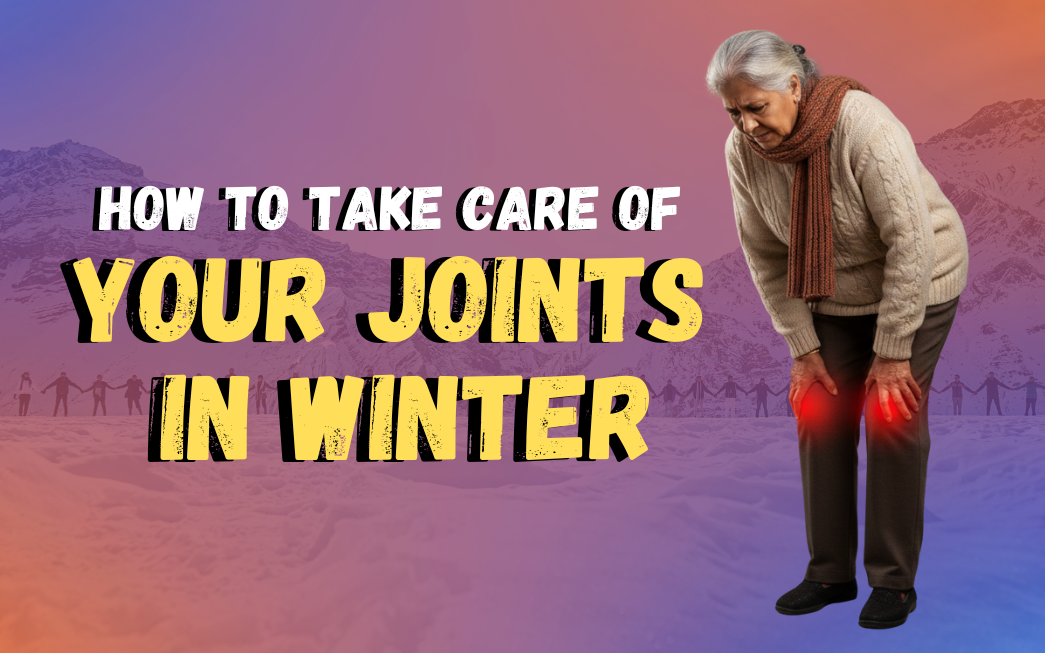
How to Take Care of Your Joints in Winter – Doctor’s Advice

Doctors and orthopedic specialists explain that joint pain tends to increase in winter due to reduced blood flow, stiffening of muscles, and increased sensitivity of nerve endings. With the right preventive measures and lifestyle habits, you can significantly reduce discomfort and keep your joints functioning smoothly.
Below is expert advice to help you practice proper care of joints in winter and maintain mobility all season long.
Why Joint Pain Worsens in Winter
Before diving into treatment tips, it helps to understand why winter affects joint health:
- Cold temperatures stiffen muscles and tendons: This reduces flexibility and puts additional pressure on the joints.
- Reduced physical activity: People tend to move less during the winter, leading to weaker muscles that support the joints.
- Joint fluid thickens in cold weather: Synovial fluid becomes more viscous, causing stiffness and slow movement.
- Changes in barometric pressure: Some individuals with arthritis report increased pain when atmospheric pressure drops.
Understanding these causes helps you plan better care of joints in winter and avoid unnecessary discomfort.
1. Keep Your Body Warm
Doctors strongly recommend dressing in warm layers to keep your joints insulated. Cold joints are more prone to stiffness and inflammation.
- Wear gloves, knee warmers, or elbow sleeves.
- Use a heating pad or warm compress for 10–15 minutes to loosen tight joints.
- Keep your home comfortably heated to reduce sudden temperature changes.
Staying warm is the first line of defense in your winter joint-care routine.
2. Stay Active and Keep Moving
Reduced movement leads to increased stiffness. Regular exercise improves blood circulation, strengthens muscles, and enhances joint flexibility.
Suggested winter-friendly exercises:
- Light stretching
- Yoga or Pilates
- Brisk walking
- Indoor cycling
- Swimming in a heated pool
Even simple daily movements, such as taking breaks from sitting, support better care of joints in winter and keep your body flexible.
3. Maintain a Joint-Friendly Diet
Nutrition plays a major role in reducing inflammation and maintaining cartilage health.
Foods that support joint health:
- Omega-3 rich foods (salmon, flaxseeds, walnuts)
- Vitamin D sources (eggs, fortified foods, sunlight)
- Calcium-rich foods (milk, spinach, almonds)
- Antioxidant-packed fruits and vegetables
Avoid excessive sugar, processed foods, and high-sodium meals, as they can increase inflammation.
4. Stay Hydrated
Many people drink less water during winter because they feel less thirsty. However, dehydration can worsen joint stiffness.
Water keeps the cartilage lubricated and improves tissue elasticity. Aim to drink at least 6–8 glasses daily, even in cold weather.
5. Use Proper Footwear
Joint pain in winter often worsens due to poor footwear. Shoes lacking proper cushioning or arch support can lead to knee, hip, and ankle problems.
Choose:
- Shoes with good grip to prevent slipping
- Adequate arch support
- Cushioned soles to reduce joint impact
Correct footwear is an underrated part of effective care of joints in winter.
6. Practice Gentle Warm-Ups Before Activity
Jumping into exercise without warming up is especially harmful in winter. Cold muscles are more prone to strain and injury.
Warm-up ideas:
- Arm circles
- Leg swings
- Light jogging in place
- Dynamic stretching
Spend at least 5–10 minutes warming up before any physical activity.
7. Manage Weight to Reduce Joint Stress
Excess weight puts additional pressure on major joints like the knees, hips, and ankles. In winter, people tend to eat more high-calorie comfort foods, which can lead to weight gain.
Keeping your weight in check helps protect your joints and reduces inflammation.
8. Consider Supplements After Doctor’s Consultation
Some people benefit from supplements that support joint health, including:
- Glucosamine and chondroitin
- Omega-3 fatty acids
- Vitamin D
- Turmeric (curcumin)
Always consult a doctor before starting supplements, especially if you’re taking other medications.
9. Seek Professional Help When Needed
If joint pain becomes severe, persistent, or begins limiting your movement, consult an orthopedic doctor. They can evaluate whether the issue stems from arthritis, injury, or degenerative joint disease.
In some advanced cases, doctors may recommend joint replacement surgery to restore mobility and improve quality of life. Modern techniques make joint replacement procedures safer, less painful, and more effective than ever.
10. Maintain Mental and Emotional Wellness
Stress and depression can increase the perception of pain. Winter often brings seasonal mood changes, so taking care of mental health is essential.
Try:
- Meditation
- Mindfulness exercises
- Breathing techniques
- Spending time with loved ones
- Outdoor walks for sunlight exposure
A healthier mind often contributes to a healthier body.
Final Thoughts
Winter can be challenging for those struggling with joint pain, but with the right strategies, you can stay active, comfortable, and pain-free. Practicing effective care of joints in winter means keeping your body warm, staying active, eating well, and paying attention to your body’s signals.
If pain increases despite home care, consult an orthopedic specialist for personalized treatment. Protecting your joints today helps ensure better mobility, strength, and comfort for years to come.